
What is PCOS?
This is a condition that increasingly affects women during their reproductive years. What is PCOS? It is a hormonal disorder that affects the ovaries. It is caused by...
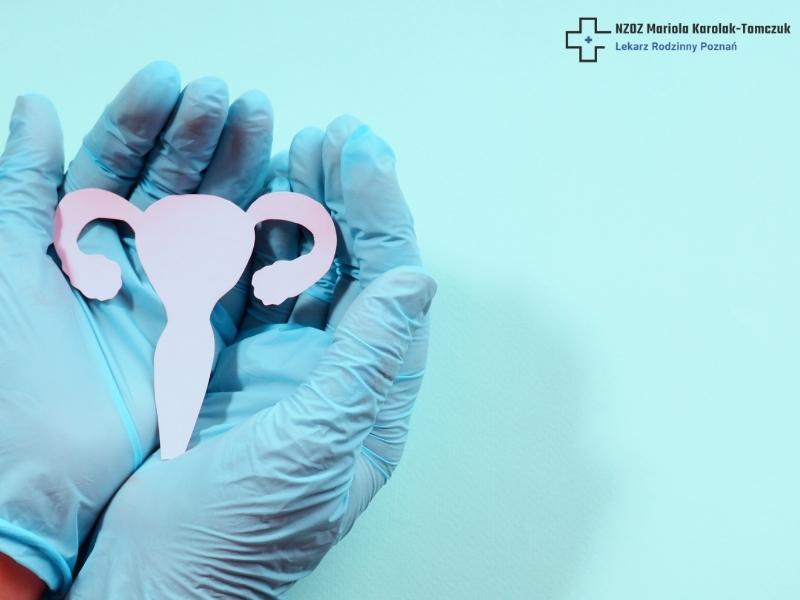
This is a condition that increasingly affects women during their reproductive years. What is PCOS? It is a hormonal disorder that affects the ovaries. It is caused by a hormonal imbalance in the body, which can lead to infertility and other health problems. PCOS is also known as polycystic ovary syndrome or Stein-Leventhal syndrome. Symptoms of the disease can vary from person to person, which is why it is worth seeking care from a gynecologist and an endocrinologist.
What is PCOS?
In Poland, it may also be known as polycystic ovary disease. PCOS (polycystic ovary syndrome) is a condition that affects how the ovaries work; it is an incurable disease, but one that can be controlled through diet and the appropriate selection of medications. It can also cause irregular periods, acne, hair growth on the face and chest (hirsutism), and weight gain. It is very likely that the problem affects more than 15% of women. Women often learn about the condition while trying to conceive between the ages of 20 and 30.
What are the symptoms of PCOS?
PCOS is a condition affecting women of reproductive age. What are the symptoms of PCOS? It is characterized by high levels of male hormones, which can lead to irregular periods, acne, excessive hair growth, and obesity. Other symptoms include infertility and even depression. The moment women may notice a problem is during ovulation-related disturbances. These include a complete lack of ovulation or very infrequent ovulation (oligo-ovulation). Furthermore, hyperandrogenism is another symptom that may indicate PCOS. However, polycystic ovaries are detected during an ultrasound examination by a doctor, which is why regular medical visits and diagnostics are important. Problems with ovulation and hyperandrogenism may indicate that a patient has PCOS.
Is treating PCOS difficult?
Treating PCOS is challenging and aims to regulate menstrual cycles. The most common choices made by specialists involve pharmacotherapy through the administration of contraceptives, metformin, or clomiphene. These are intended to regulate hormone levels in the woman's body. Additionally, a healthy lifestyle, physical activity, and an appropriately balanced diet are recommended. It is important to ensure that the treatment process is supervised by a qualified physician.
PCOS and getting pregnant
PCOS is a condition that affects the reproductive system. It is characterized by an imbalance of male sex hormones, which can lead to irregular periods, infertility, and excessive hair growth. Women with PCOS often have cysts on their ovaries. PCOS treatment includes lifestyle changes (proper diet, exercise, and medication). PCOS is also a factor during pregnancy. PCOS causes a decrease in luteinizing hormone levels in some pregnant women. This can lead to damage to the baby's pituitary gland. Due to PCOS itself, women may have difficulty conceiving, but a diagnosis of polycystic ovary syndrome is not synonymous with infertility.