
Fever in Children: What it Might Mean and When to See a Family Doctor
Parents are very protective of their little ones. Check when your child needs a doctor's help | Przychodnia lekarza Rodzinnego Poznań
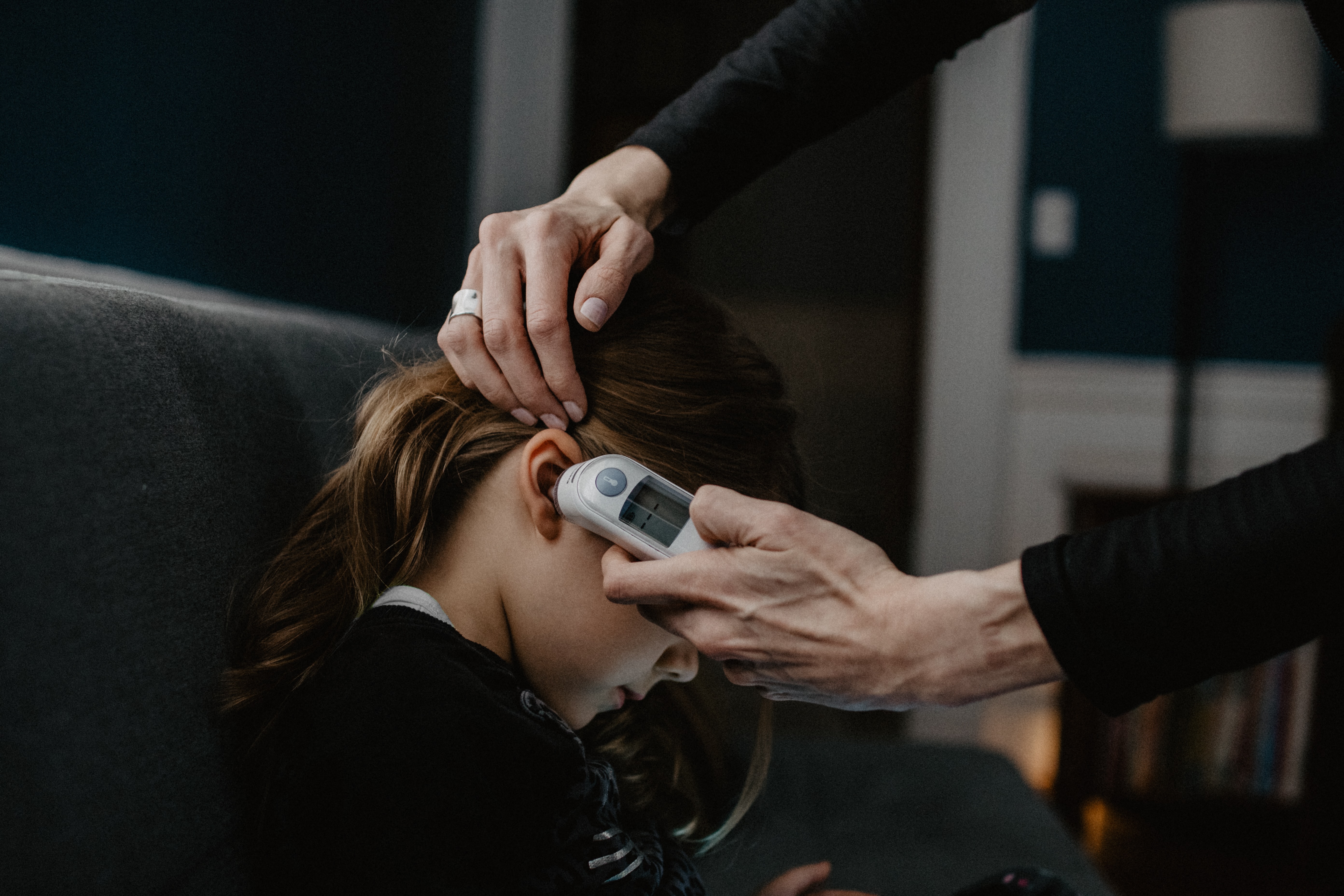
A child is the apple of our eye. We do everything to ensure they grow up to be a healthy, wise, and strong adult. For this reason, even the smallest symptoms of illness are a cause for concern for us as parents. One of them is a fever. When is it worth reacting? How should you behave in this situation? And is a doctor's visit always necessary? In this article, we will dispel all doubts.
When Does a Child Have a Fever?
Parents are very sensitive when it comes to their children. For this reason, for many of them, a temperature slightly above 36.6°C is a cause for concern. However, it is worth knowing that the range from 36°C to 37°C is completely normal. There is no reason to worry if the little one's body heat oscillates within these limits. So when does a problem arise? If the toddler has a temperature of:
- from 37°C to 38°C - we then speak of a low-grade fever; it may appear as a result of being dressed too warmly, teething, or even intense crying; it is not a cause for concern, but the parent should closely observe the child and monitor if the temperature is rising;
- from 38°C to 39°C - if we see such a value on the thermometer, then we can speak of a fever in the child; in this case, you should go to the doctor or order konsultacje pielęgniarki w domu Poznań.
- above 39°C - this is a high fever, which requires urgent medical consultation; the child may be suffering from a serious illness, and this should not be ignored under any circumstances!
What Can a Fever Mean? It Doesn't Always Herald a Serious Illness.
A fever, i.e., a state above 38°C, can indicate many diseases. As parents, we are not able to assess the cause ourselves. Therefore, a lekarz pierwszego kontaktu Poznań will be necessary. The most important thing is a quick response from the parent, as a fever can mean:
- infectious diseases, e.g., chickenpox, mumps, or rubella;
- viral infections of the digestive tract;
- neoplastic diseases, e.g., leukemia;
- neurological diseases;
- meningitis.
This list can be frightening, which is why fever symptoms absolutely cannot be ignored. Although we usually find out in the doctor's office that the illness is nothing dangerous, as responsible parents, we cannot try to treat the child on our own. Only a doctor can prescribe the appropriate medications that will actually help the little one get through the infection safe and sound.
Check also: