
What are the symptoms of a stroke?
The risk of stroke can affect any one of us. Clogged cerebral arteries or ruptured blood vessels are risk factors that can occur at the least expected moment...
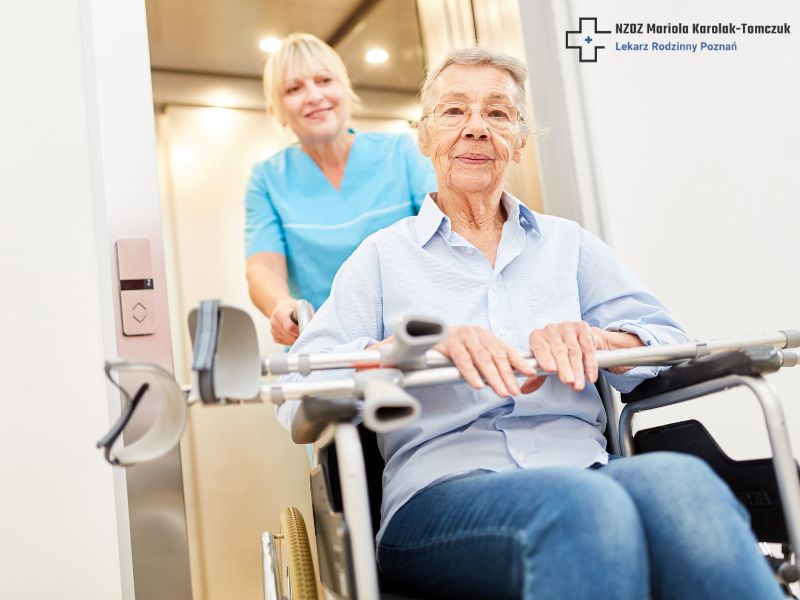
The risk of stroke can affect any one of us. Clogged cerebral arteries or ruptured blood vessels are risk factors that can occur at the least expected moment of our lives. The consequence of a stroke can be disability for the remainder of our lives. They can lead to permanent damage to the brain or a certain part of the brain, and even pose a threat to human life. Post-stroke rehabilitation may not bring the desired effects. What are the symptoms of a stroke? Few people know that a stroke can also affect a small child.
What is a stroke?
A stroke is a collection of symptoms that occurs when blood flow to the brain is interrupted. This can happen due to a blood clot or the formation of a thrombus in a blood vessel that supplies blood to the brain. At that moment, brain cells are deprived of oxygen and begin to die. This can lead to paralysis, difficulty speaking, and other problems.
Can stroke symptoms indicate its type?
Two main types of stroke are distinguished. The first is an ischemic stroke, which results from the blockage of a blood vessel due to the narrowing or (total) closure of the lumen. The second type is a hemorrhagic stroke, caused by the rupture of blood vessels. Stroke symptoms differ from one another, so it is worth knowing how to recognize them in a patient.
Ischemic stroke - symptoms
Ischemic stroke has specific symptoms. The occurrence of a stroke is very often characterized by attacking one side of the body. Furthermore, ischemic stroke also brings: hypoxia, paralysis, paresis, difficulty speaking, impaired consciousness, delirium, reduced sensation, memory problems, as well as swallowing difficulties.
Hemorrhagic stroke - symptoms
The main symptom of a hemorrhagic stroke is a fairly severe pain that can be felt in the area of the brain. Hemorrhage can occur in the area of the frontal, parietal, temporal, or occipital lobe. Additionally, other symptoms may be felt, such as: paresis, sensory disturbances, as well as vision problems. Visual impairment may appear as limitations in the field of vision.
Who is at risk of a stroke?
Who is at risk of a stroke? Many diseases can cause poor blood supply to the brain and can be responsible for the causes of a stroke. It is important to minimize the possibility of a brain hemorrhage. Causes of a stroke can be various and unexpected. A severe headache should not be ignored. Furthermore, high blood pressure can cause a higher chance of a hemorrhagic stroke. Meanwhile, atherosclerosis, coagulation disorders, or heart rhythm disturbances can be responsible for cerebral ischemia. People with diabetes may also be at risk of a stroke. Stroke treatment is very difficult, and the human face after such a tragedy is very challenging. People with atrial fibrillation may also be at risk of a stroke.
I recognized symptoms of a stroke. What to do?
Any of us might find ourselves in a situation where we recognize symptoms of a stroke. What to do? At the very beginning, it is incredibly important to call emergency services. The first hours from the onset of the first stroke symptoms are crucial. First aid is extremely important when we suspect a stroke. When possible, it is worth transporting the victim to a neurology ward, but it is definitely better to take them to a stroke unit. The procedure is very important, but the response time is even more critical. After a stroke, it is worth performing an MRI or CT scan. It is worth familiarizing yourself with the stroke prevention program, which is available from every doctor. The risk of stroke can be reduced through a healthy lifestyle, preventive screenings, and regular visits to the doctor.