
What Do Poles Suffer From in December? The Most Common Infections, Complications, and the Specifics of the Winter Illness Period
December is one of the most demanding months in terms of health. Throughout Poland, including Poznań, a clear increase in respiratory infections is observed during this time...
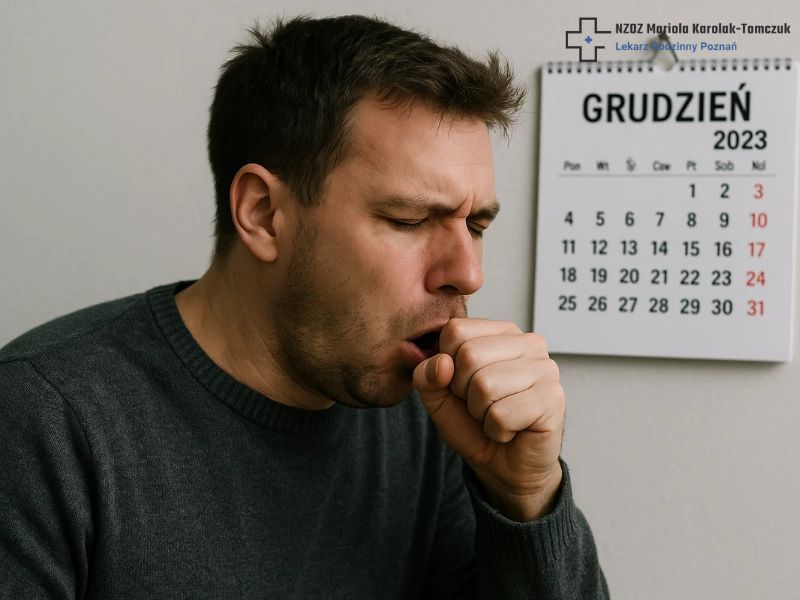
December is one of the most demanding months in terms of health. Throughout Poland, including Poznań, a clear increase in respiratory infections, worsening cardiac problems, and greater susceptibility to viral and bacterial infections are observed during this time. This is a period where two phenomena collide: the peak of the infection season and increased social activity related to the holidays, shopping, and family or social gatherings. As a result, December is a month when significantly more people fall ill than during the rest of the year.
Influenza - The Peak of the Winter Season
December is the moment when influenza begins to spread intensively. Symptoms often appear suddenly: high fever, severe muscle pain, cough, chills, and extreme weakness. This, in turn, leads to numerous complications that are particularly common at this time: pneumonia, myocarditis, asthma exacerbations, or bacterial infections. In Poznań, during the pre-Christmas period, crowded shopping malls, Christmas markets, and increased traffic in public transport contribute to the spread of illness.
RSV - Particularly Dangerous for the Youngest and Seniors
In December, RSV reaches one of its highest activity levels in the season. The illness often starts with a runny nose and then progresses to an increasing cough, wheezing, and breathing difficulties. In infants and young children, it particularly easily leads to bronchiolitis or pneumonia. In Poznań, doctors most often diagnose RSV in children attending nurseries and kindergartens, where the virus spreads very quickly. In older individuals, RSV can also be dangerous - especially when heart or respiratory diseases coexist.
COVID-19 and Other Viral Infections
The winter surge in illnesses also includes viruses causing flu-like infections, which present symptoms similar to influenza but with a milder course. These include rhinoviruses, adenoviruses, metapneumovirus, or parainfluenza. In December in Poznań, doctors notice not only an increase in COVID-19 cases but also situations where a patient suffers from two different viral infections simultaneously. Symptoms such as cough, fever, severe weakness, or shortness of breath should always prompt a contact with a primary care physician (POZ).
Sinusitis - Particularly Common in Winter
December is a time when sinus infections appear exceptionally often. Factors influencing this include: cold air, indoor heating, dry mucous membranes, prolonged runny nose, and smog episodes, which are also typical for Poznań in winter. Sinusitis usually manifests as facial pain, pressure when leaning over, purulent nasal discharge, fever, and a feeling of congestion. If symptoms last more than a week or worsen, a doctor's evaluation is necessary.
Otitis - A Consequence of Intensified Respiratory Infections
In December, the number of ear infection cases increases significantly - especially in children. Many viral infections end up involving the middle ear, causing intense pain, fever, and sometimes discharge from the ear canal. In Poznań clinics, doctors confirm that December is one of the months with the highest number of such illnesses, also due to the rapid spread of infections in schools and kindergartens.
Gastroenteritis - Winter Intestinal Viruses
Although many people associate intestinal diseases with summer, it is in winter that a particularly high number of norovirus and rotavirus infections occur. The onset of the illness is sudden and violent, and symptoms include diarrhea, vomiting, fever, and dehydration. In winter in Poznań, outbreaks of these viruses most often appear in kindergartens, schools, and large workplaces.
Exacerbation of Chronic Diseases - Asthma, COPD, Heart Diseases
Low temperatures, dry air, and frequent infections mean that patients with chronic diseases more often require medical check-ups. In December, there is an increase in visits related to:
- shortness of breath
- worsened exercise tolerance
- asthma exacerbation
- blood pressure spikes
- heart rhythm disorders
In many patients, a viral infection acts as a trigger for cardiac complications; therefore, December is a crucial month for monitoring the health of individuals with chronic heart diseases.
Throat, Larynx, and Trachea Infections
Cold, drafts, sudden temperature changes, and dry indoor air make December conducive to upper respiratory tract infections. Patients report sore throats, hoarseness, coughing, and respiratory irritation. In Poznań, this problem intensifies in winter due to prolonged stays in heated, dry rooms, which weakens natural protective barriers.
Immoderation in Eating and Drinking - An Important and Often Overlooked December Issue
The Christmas, Eve, and New Year's period is a time of heavy meals and increased alcohol consumption. As a result, December brings not only an increase in infections but also numerous ailments resulting from an overloaded digestive system. Too many fatty foods (e.g., fried fish, pierogi, meats), heavy desserts, high-sugar drinks, and alcohol can lead to:
- acute gastritis
- alcohol poisoning
- acute pancreatitis
- exacerbation of reflux and heartburn
- abdominal pain, nausea, and vomiting
- bloating and severe intestinal cramps
- electrolyte imbalances
The most taxing factors are: excessive amounts of alcohol, animal fats, cream cakes, chocolate, fried foods, and highly processed products. Symptoms such as severe abdominal pain radiating to the back, persistent vomiting, fainting, dehydration, or disturbences in consciousness require urgent contact with a doctor. In Poznań clinics during the holiday and New Year period, cases of acute abdominal pain resulting specifically from overeating or alcohol abuse are diagnosed particularly often.
When to Contact a Primary Care Physician?
In case of severe infection symptoms - such as high fever, shortness of breath, prolonged cough, chest pain, dehydration, or severe abdominal pain - you should consult a primary care physician (POZ). This applies to children, adults, and seniors alike.
Those who are not currently registered at any clinic can go through the registration process based on the instructions available in the section rejestracja nowego pacjenta.
If symptoms make a personal visit difficult or the patient is out of town, an alternative can be porady telemedyczne Poznań, which allow for a remote consultation.