
"Swimmer's Ear" and Post-Lake Bathing Infections - How to Safely Enjoy Poznań's Water Reservoirs?
July in Poznań and its surroundings is a time of intensive relaxation by the water. Residents eagerly enjoy the charms of Rusałka, Strzeszynek, Lake Kierskie, or the reservoirs in Kórnik and...
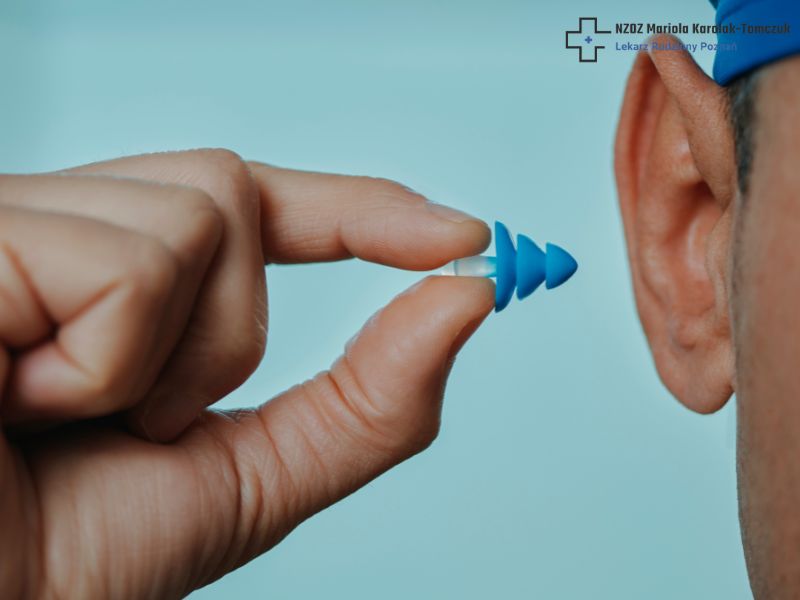
July in Poznań and its surroundings is a time of intensive relaxation by the water. Residents eagerly enjoy the charms of Rusałka, Strzeszynek, Lake Kierskie, or the reservoirs in Kórnik and Bolechowo. Sunny weather and high water temperatures encourage long swims. However, it is worth remembering that warm, fresh water in natural reservoirs provides an ideal environment for the development of microorganisms.
One of the most common health problems that patients report to primary care physicians during the peak summer season is acute otitis externa, commonly known as "swimmer's ear", as well as various types of skin irritations and infections.
What is "swimmer's ear" and how does it develop?
"Swimmer's ear" is an inflammation of the skin lining the external auditory canal (from the auricle to the eardrum). During bathing in a lake or pool, water enters the inside of the ear. If it stays there too long, it washes away the natural protective barrier of earwax, creating a moist and warm environment - perfect for the multiplication of bacteria (most often Pseudomonas aeruginosa or Staphylococcus aureus) and fungi.
Common symptoms of ear canal inflammation:
- Severe, acute ear pain, which clearly intensifies when pressing on the tragus (the small cartilage at the entrance to the ear) or when pulling the auricle;
- A feeling of blockage, fullness, or "water sloshing" in the ear;
- Itching and redness of the auditory canal;
- Temporary hearing impairment caused by swelling;
- Clear, yellowish, or purulent discharge from the ear;
- In advanced cases: enlarged lymph nodes and fever.
Other infections after lake bathing - what is worth remembering?
In addition to ear problems, bathing in freshwater reservoirs can lead to other ailments:
- Swimmer's itch (cercarial dermatitis): This is an allergic reaction to the presence of microscopic fluke larvae in the water. It manifests as an itchy rash, papules, or blisters on the skin shortly after leaving the water.
- Bacterial skin infections: Minor scratches, abrasions, or insect bites in contact with lake water can lead to secondary bacterial infection.
- Conjunctivitis: Opening eyes underwater without swimming goggles can lead to irritation or bacterial and viral conjunctivitis.
How to protect your health while swimming? Prevention step by step
Most summer infections can be easily prevented by following a few rules:
- Dry your ears after leaving the water: Tilt your head to the side to let the water flow out on its own. You can gently dry the auricle with a towel.
- NEVER use cotton swabs inside the ear: Swabs remove the protective layer of earwax and create micro-injuries in the delicate epidermis, opening the way for bacteria to cause infection.
- Use preventive drops: If you are prone to water retention in your ears, you can use special drying preparations available at the pharmacy after bathing.
- Rinse your body in the shower: After leaving the lake, it is worth rinsing your skin with clean water and soap as soon as possible and changing out of a wet swimsuit.
- Choose guarded bathing areas: Use places where water quality is regularly monitored by the Sanitary Inspectorate (Sanepid).
When to see a doctor?
Mild ear irritation after bathing sometimes subsides spontaneously after drying the ear canal. However, if severe pain, a feeling of pressure, discharge, or fever appears, home treatment is insufficient. In such cases, a visit to a GP is necessary, who will assess the condition of the eardrum and select appropriate treatment (often in the form of prescription antibiotic or steroid drops).
Persons needing a medical consultation can efficiently book an appointment online. Meanwhile, patients seeking permanent medical care under the National Health Fund (NFZ) in Poznań can learn more about the procedure and fill out the form in the new patient registration tab.
Frequently Asked Questions (FAQ)
1. Can I still swim in a lake or pool with "swimmer's ear"?
No. Until the infection is completely cured and symptoms have subsided, you must absolutely avoid wetting your head and getting water in your ear. Contact with water intensifies the inflammation and delays the healing process.
2. Will cotton swabs help remove water from the ear after bathing?
Absolutely not. Inserting a cotton swab into the auditory canal pushes earwax deeper, creating a so-called wax plug, and also causes micro-injuries to the skin. To remove water, simply tilt your head to the side and gently pull the earlobe downwards.
3. Will regular over-the-counter painkillers help with otitis externa?
Painkillers and anti-inflammatory drugs (e.g., ibuprofen) can temporarily relieve pain symptoms, but they will not remove the cause of the bacterial or fungal infection. To treat inflammation of the auditory canal, it is usually necessary to use topical drops prescribed by a doctor.
Important information for readers:
This blog article is for educational and advisory purposes only. The information contained herein cannot replace a personal medical consultation, diagnosis, or treatment plan by a qualified physician. If you notice severe ear pain, discharge from the ear canal, hearing deterioration, fever, or disturbing skin changes after bathing in a body of water, consult our family doctor immediately or report to the nearest medical assistance point.