
Five things every parent must have in their first aid kit
Children are very active. They frequently fall or bump into objects. Every home should have a first aid kit that can effectively help a child....
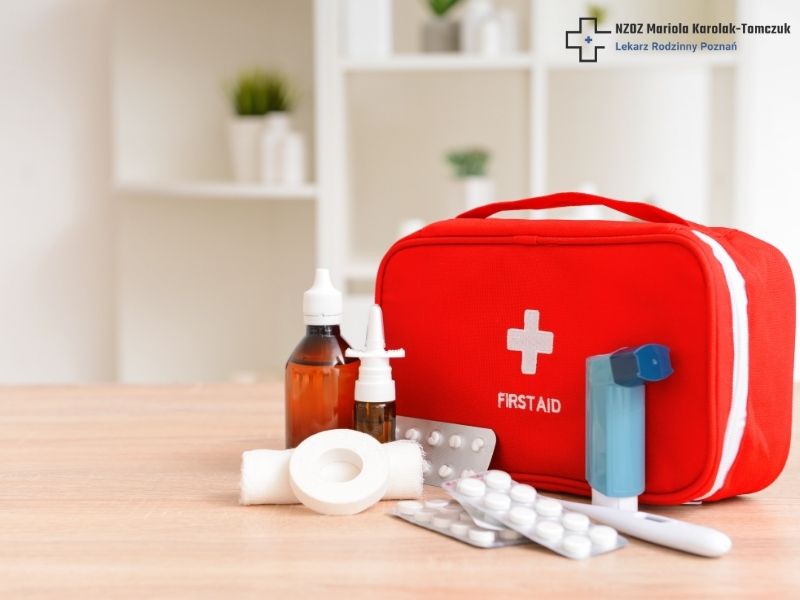
Children are very active. They frequently fall or bump into objects. Every home should have a first aid kit that can effectively help a child. There are several types of first aid kits. Depending on the situation, they will be equipped with different items. A first aid kit should be located in a place that is easily accessible to an adult. The kit should be checked regularly, and the first aid materials and supplies must be valid (within their expiration dates). It is important that the kit contains all the items necessary for minor injuries. In this article, you will find a list of five things that every parent must have in their first aid kit.
What are the types of first aid kits?
There are several types of first aid kits placed in various locations, such as workplaces, educational institutions, cars, or homes. An industrial first aid kit, which is placed in factories, is very large and is usually mounted on the wall. The car first aid kit is very popular. It contains a thermal blanket, as well as many dressing supplies and scissors to be able to cut seatbelts during an accident. A travel first aid kit (vacation kit) is a small basic kit with plenty of vitamins, electrolytes, or medications that help with the most undesirable illnesses. It is also referred to as a personal first aid kit that everyone carries with them.
Why do children get sick often and why is it worth having a first aid kit at home?
An important part of raising children is taking care of their health. Children have much weaker health because their immune systems are still developing. Because of this, children get sick often and it is worth having a first aid kit at home. For minor infections, many medications and medical supplies will not be needed, but for more serious symptoms, every parent should be properly prepared. This applies especially to infants. A little one can experience pain and fever in a very unpleasant way. Remember that your child's health and safety are the priority.
Home first aid kit - five things
We have prepared a list of the most important items to stock in a home first aid kit. Five things may not seem like much, but these are the most crucial tools and materials to help maintain a child's health. The list is as follows:
- thermometer - it is the first item we reach for when a child starts feeling worse. Determining body temperature is very important.
- bandages and adhesive strips - materials should be ready for use year-round. Bandages and strips should come in different sizes, and it is worth ensuring you have a disinfectant.
- painkillers and antipyretics - these are essential during problems causing pain as well as high fevers in children.
- saline solution (NaCl) - very important for rinsing eyes and for inhalations during a cold.
- sea water nasal spray - when a child has very congested upper respiratory tracks, an aerosol is extremely useful.
It is worth remembering that these are just the basic five pr