
What is Bruxism?
Bruxism is a condition in which a patient clenches and grinds their teeth, usually during sleep. The patient's jaw muscles contract involuntarily, causing friction between the upper and lower...
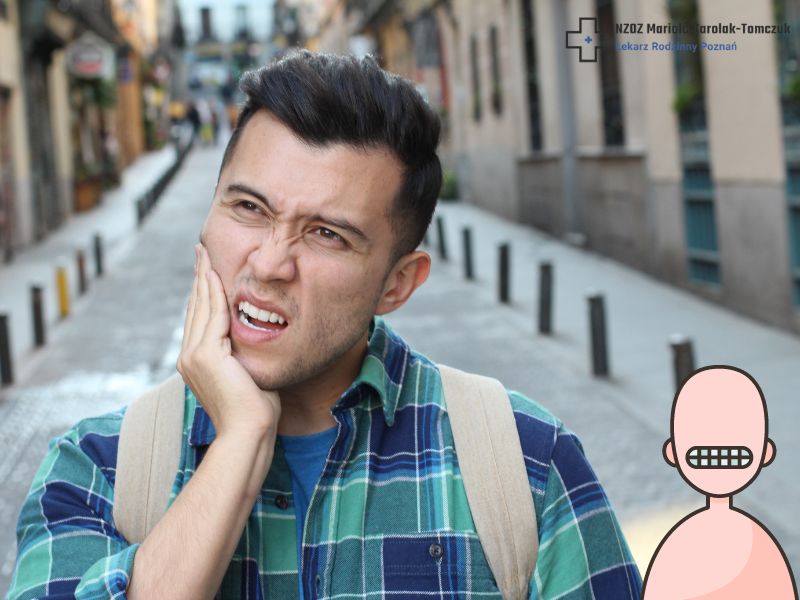
Bruxism is a condition in which a patient clenches and grinds their teeth, usually during sleep. The patient's jaw muscles contract involuntarily, causing friction between the upper and lower teeth. Such clenching can cause tooth enamel wear, as well as increased pain in the jaw and surrounding area. Bruxism is not always easy to diagnose, but symptoms such as headaches, sensitive teeth, and chipped or worn enamel can be a sign that a patient is suffering from it. Individuals who believe they may be suffering from bruxism should consult their dentist or doctor promptly for a proper diagnosis and treatment to manage the condition more effectively.
Can bruxism be cured with home remedies?
Bruxism is a condition that cannot be completely cured with home remedies alone. However, there are certain home methods a patient can take to reduce the symptoms of bruxism, such as:
- yoga,
- deep breathing,
- progressive muscle relaxation,
- avoiding alcohol before bedtime,
- eating meals at regular times,
- wearing an occlusal splint during sleep to protect the teeth from further damage.
In summary, while bruxism cannot be completely cured with home remedies, there are steps patients can take to manage it.
How to reduce pain caused by bruxism?
The best way to reduce pain caused by bruxism is to treat its underlying cause. To do this, it is important for the patient to identify triggers such as stress, lack of sleep, and certain medications. If sleep bruxism is suspected, one can visit a dentist to receive a mouthguard or splint to protect the teeth from grinding or clenching during sleep. Additionally, it may be beneficial to use muscle relaxants to reduce tension in the jaw. Although there is no absolute cure for bruxism, these treatment methods can help patients control symptoms and reduce the pain associated with the condition.
Which specialist can treat bruxism?
The most effective treatment for bruxism can be found with a specialist. Depending on the severity of the condition, a dental specialist, such as a dentist or orthodontist, may be able to treat the early stages of the disease and provide options for more advanced treatment. In some cases, they may even recommend lifestyle changes, such as stress avoidance or the use of relaxation techniques. A dentist will also be able to fit the patient with special mouthguards to help protect the teeth from further damage caused by grinding. With proper treatment and follow-up visits with a specialist, the progression of the condition can be prevented.
What are the consequences and effects of bruxism?
The consequences of bruxism can be extensive and include both physical and psychological elements. Physically, a patient may experience muscle pain, especially in the facial muscles, due to the constant grinding motion. This can lead to tension headaches and even jaw disorders if left untreated. Additionally, bruxism can cause damage to the teeth, such as chipping or cracking, leading to costly dental bills. From a psychological standpoint, the condition can cause anxiety and stress, as people often feel embarrassed by their symptoms. It can also lead to sleep rhythm disturbances due to the teeth grinding occurring at night or during sleep.