
How to Recognize a Lyme Disease Infection?
Over the past few years, we have been hearing more and more about ticks and their bites, which cause Lyme disease. Usually, we think that if we pull out a tick we noticed...
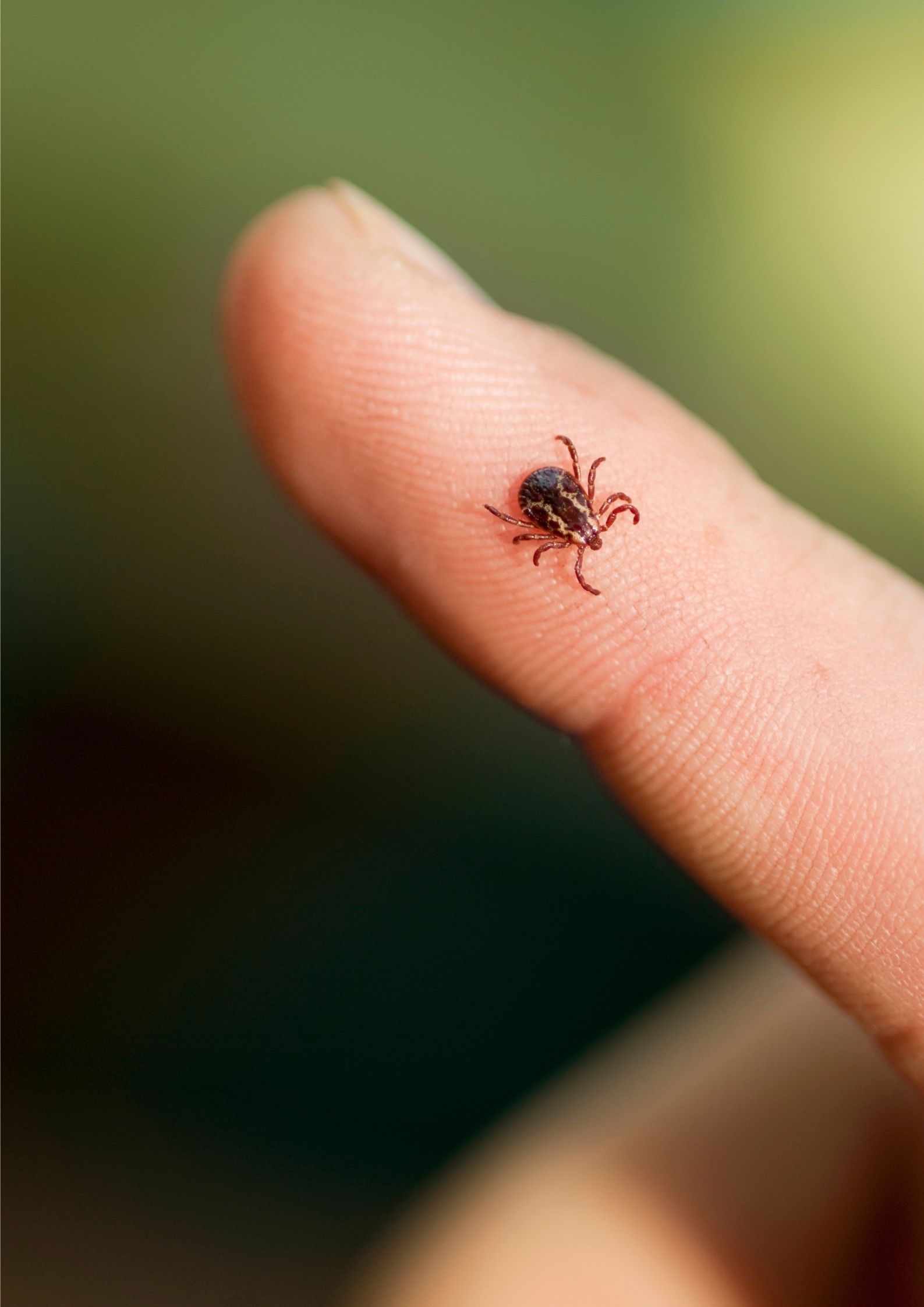
Over the past few years, we have been hearing more and more about ticks and their bites, which cause Lyme disease. Usually, we think that if we pull out a tick we noticed, simply removing it in the right way is enough and everything will be fine. However, there is a reason why every year during the summer and autumn seasons, we are reminded to check our bodies after walks in forests, meadows, or parks. The disease transmitted by ticks often resembles flu symptoms; however, the symptoms are long-term, and chronic joint pain increasingly occurs after a Lyme disease infection.
What is Lyme disease?
Lyme disease is an illness caused by the bacterium Borrelia burgdorferi. The first cases of infection with this disease were described in medical literature about 50 years ago. The disease attacks many systems in our body and is caused by bacteria transmitted to us by ticks embedded in our skin. About 21 different species of ticks live in Poland, but the most common individual is the castor bean tick (common tick). The effects of a Lyme disease infection can include joint pain, skin lesions, or neurological ailments. The disease does not have clear and typical symptoms; an infected person may experience all of the above symptoms, or we may only notice skin changes and a rash in the area where the tick bit into our skin.
How can you get infected with Lyme disease?
A tick embeds itself in our skin using its piercing-sucking apparatus and introduces an anesthetic substance into our blood, which is why we often do not realize we have brought a tick home from the forest. The bite is usually completely painless. Ticks most often bite in the area of the shoulders, thighs, groin, or scalp. We do not always have to contract a tick-borne disease, as not every arachnid is infected with it. If we encounter an individual infected with Borrelia bacteria, it secretes saliva, its vomit (from the midgut), and pathogens responsible for causing Lyme disease into our wound. If we notice a tick on our body, we must remove it as quickly as possible to prevent the tick from transmitting its fluids. Lyme disease infection typically occurs no earlier than 24 to 48 hours after the parasite embeds itself in our skin. If we remove it quickly and correctly, we reduce the risk of contracting Lyme disease.
What symptoms does Lyme disease cause?
Before symptoms start to appear, we must focus on removing the tick from our body as quickly as possible. We must ensure that the tick stays in our body for the shortest time possible and is thoroughly and completely removed from our skin. When removing ticks at home, special tweezers are helpful, which allow us to firmly grasp the tick and pull it out without leaving any part of it in our body. If you cannot manage to remove the tick yourself or are concerned that a part will remain in your body, be sure to contact a primary care physician. At the Lekarz Rodzinny Poznań NFZ, clinic, we provide help and advice in various cases related to our patients' health, including the proper removal of a tick and disinfecting the bite site with a preparation containing octenidine.
After removing the unwanted guest from our skin, we must carefully observe the bite site. The first symptom that may indicate a Lyme disease infection is the appearance of a "bull's-eye" rash (erythema migrans). Usually, the change does not appear immediately; the rash can appear on our skin up to 30 days after being bitten by an infected tick. Symptoms accompanying the appearance of the rash after a tick bite also include fever, enlarged lymph nodes, and a flu-like state.
How to test if I have Lyme disease?
If a rash appears on our body after a tick bite, it is a sign that we need to be tested for Lyme disease. Usually, the basic test to determine if we are infected is a blood test, which measures the amount of antibodies our body produced while fighting the bacteria that cause Lyme disease. We must remember that antibody testing can be performed no earlier than 6 weeks after the tick bite.
How to recover from Lyme disease?
Lyme disease is caused by bacteria, so it must be fought with prescribed antibiotics. We must therefore schedule a visit where a Lekarz Internista Poznań will check the development of the rash and other accompanying symptoms. After conducting an interview and assessing the patient's condition, a Lekarz Ogólny Poznań will issue a prescription for antibiotic medications that must be taken for at least 2 weeks, along with any further tests to check if complications occurred during the course of the disease. Lyme disease is a fully curable illness; however, we must remember to register via Porady telemedyczne Poznań and schedule an in-person visit at the clinic.