
Autumn Illnesses - What illnesses do we get in the fall?
With the arrival of autumn, our health is subject to various influences, and seasonal changes can affect our immunity. Autumn illnesses are a topic that deserves our attention...
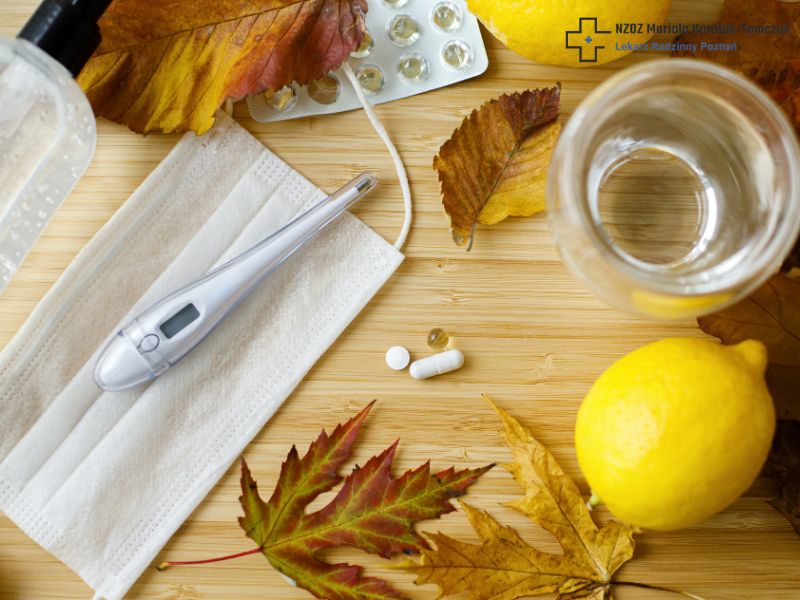
With the arrival of autumn, our health is subject to various influences, and seasonal changes can affect our immunity. Autumn illnesses are a topic that deserves our attention, because with the colder months comes a weakening of the body, followed by various ailments and infections. Let's find out what specifically to watch out for during autumn and how to take care of your health during this period.
Chronic diseases whose symptoms worsen in autumn
Autumn is a difficult time for asthmatics, especially for those allergic to molds and house dust mites, which leads to an increase in the number of hospitalizations due to asthma attacks. Changes in weather, drops in temperature, and air humidity can exacerbate symptoms of rheumatic diseases, the most well-known of which is rheumatoid arthritis. People with hypothyroidism during the autumn-winter period may experience increased symptoms such as fatigue or feeling cold. Shorter days and less sunlight can lead to seasonal depression, manifested by low mood or increased fatigue. Additionally, autumn is a period when the risk of cardiovascular diseases, such as heart attack or stroke, increases, especially among the elderly.
Allergies in autumn
Autumn is not only a time of beautiful leaf colors and cooler days, but also a period when many people experience intensified allergy symptoms. During this season, the main factors triggering allergic reactions are molds, house dust mites, and the pollen of certain plants. Humid and cool air promotes the growth of mold, especially in places where moisture accumulates, such as basements or bathrooms. Allergy symptoms in autumn can vary, ranging from runny nose, cough, itching, and red eyes to breathing difficulties or asthma attacks. It is important for allergy sufferers to avoid places with high concentrations of allergens, ventilate rooms regularly, and use air purifiers. In case of severe symptoms, it is worth consulting an allergist who will help select appropriate treatment.
Atopic dermatitis in the autumn period
Atopic dermatitis is a chronic skin disease whose symptoms can worsen during autumn. Changing weather conditions, a drop in temperature, and dry indoor air from heating can lead to a deterioration of the skin condition in people suffering from this ailment. The skin becomes drier, more irritated, and itchy. Autumn flare-ups of atopic dermatitis can also be caused by allergens such as molds or house dust mites. It is important to pay special attention to proper skin care during this period by using moisturizing creams and lotions and avoiding irritating cosmetics. Regular baths in emollients and avoiding triggers such as allergens or stress can help alleviate symptoms. In case of intensified symptoms, it is worth consulting a dermatologist who will advise on appropriate treatment and help control the symptoms of the disease.
Autumn seasonal depression - symptoms and causes
Autumn seasonal depression, also known as seasonal affective disorder (SAD), is a specific type of depression that appears at certain times of the year, most commonly in autumn and winter. The main cause of this phenomenon is the reduction in the amount of sunlight during the day, which affects the body's circadian rhythm and can lead to imbalances in neurotransmitters in the brain. People suffering from autumn seasonal depression may experience symptoms such as lowered mood, increased need for sleep, lack of energy, difficulty concentrating, increased appetite (especially for sweets), or a sense of hopelessness. It is important not to ignore these symptoms. Treatment for autumn SAD may include light therapy, psychological consultations, and, in some cases, pharmacological treatment. Regular walks in the fresh air, physical activity, and attention to a healthy diet can help alleviate symptoms.
Osteoarthritis
Osteoarthritis is a chronic condition that mainly affects the elderly, but its symptoms can worsen during the autumn period. Varying weather conditions, temperature drops, and air humidity can cause an exacerbation of pain and joint stiffness. People suffering from this condition often complain of pain and limited mobility in the affected joints, especially in the morning. Autumn is also a period when a vitamin D deficiency can occur due to less sunlight, which further affects the condition of bones and joints. It is important during this time to pay attention to a proper diet rich in nutrients supporting joint health and to exercise regularly to maintain their flexibility. In case of intensified ailments, it is worth consulting a rheumatologist or orthopedist who will help select appropriate treatment and recommend suitable rehabilitation exercises.