
Whooping Cough in Adults - Symptoms, Causes, Complications, and Pertussis Treatment
Whooping cough, although often mistaken for a childhood illness, also affects adults, becoming a significant health problem in this age group. The bacteria responsible for this disease...
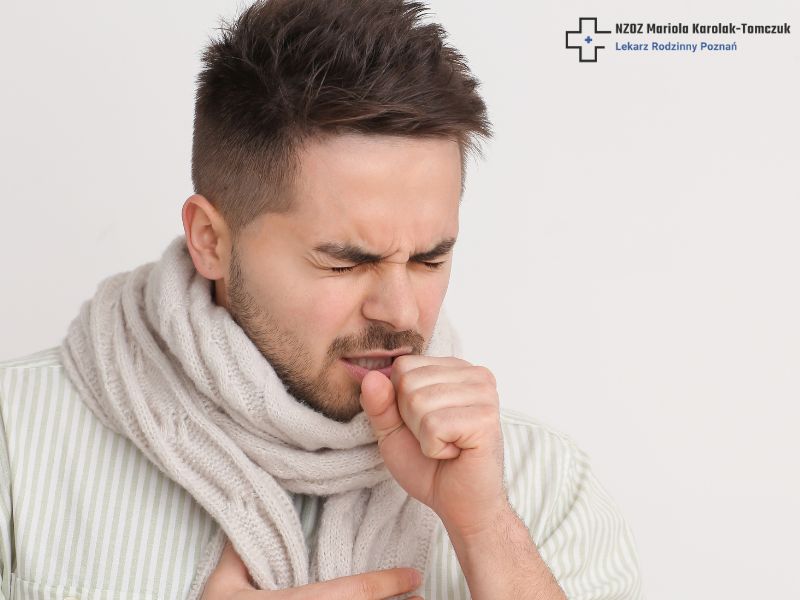
Whooping cough, although often mistaken for a childhood illness, also affects adults, becoming a significant health problem in this age group. The bacteria responsible for this disease do not choose the age of their victims, and its effects in adults can be more difficult to identify than in the youngest patients. This article focuses on whooping cough in the context of adults, analyzing not only the clinical aspects of symptoms but also placing a deeper emphasis on the causes of infection, potential complications, and available forms of pertussis treatment.
What is whooping cough?
Whooping cough is a severe, contagious respiratory disease caused by the bacterium Bordetella pertussis. It is characterized by intense coughing fits that can lead to shortness of breath, vomiting, and even loss of consciousness. Symptoms of whooping cough are often mild in adults but can cause serious complications in infants and children. The whooping cough vaccine is an effective form of protection against the disease and is recommended for adults who have kontakt with young children. If an infection is suspected, you should contact a doctor as soon as possible, as they may prescribe appropriate antibiotic treatment.
What are the symptoms of whooping cough in adults?
Symptoms of whooping cough in adults can be varied, which sometimes makes diagnosing the disease difficult, especially at the beginning. Below are some typical symptoms of whooping cough in adults:
- Cough - the early stage of the disease is characterized by a dry, irritating cough that resembles a cold cough.
- Coughing fits - after several days of dry coughing, characteristic coughing fits appear, which can last several minutes. The cough is intense, violent, and often ends with a characteristic wheezing breath.
- Expectorated mucus - after a coughing fit, rapid breathing with a deep inhalation may occur, which is the result of attempting to draw in air after a series of intense coughs.
- Fatigue - whooping cough can cause general weakness and fatigue, especially as a result of sleep loss caused by nocturnal coughing fits.
Whooping cough in adults - causes
Whooping cough in adults is a relatively rare disease; however, it can be dangerous and require immediate medical intervention. The cause of whooping cough in adults is usually the failure to update vaccinations against this disease. Other causes of whooping cough in adults may include reduced immunity, unhealthy habits such as smoking, or contact with a directly infected person.
Complications and treatment of whooping cough in adults
Complications associated with whooping cough in adults can be serious and include breathing problems, lung infections, and the risk of seizures. These complications can be particularly dangerous for the elderly or those with a weakened immune system. Treatment for whooping cough in adults typically involves antibiotics to fight the Bordetella pertussis bacteria. Additionally, doctors may recommend cough suppressants to alleviate symptoms. It is also important to maintain proper personal hygiene and avoid contact with sick individuals to prevent the spread of the disease.