
Sun and Plants: Why Popular Herbs and Vegetables Can Burn Your Skin
The May and summer sun encourages spending time outdoors. Many of us reach for natural herbal infusions as part of taking care of our health, and...
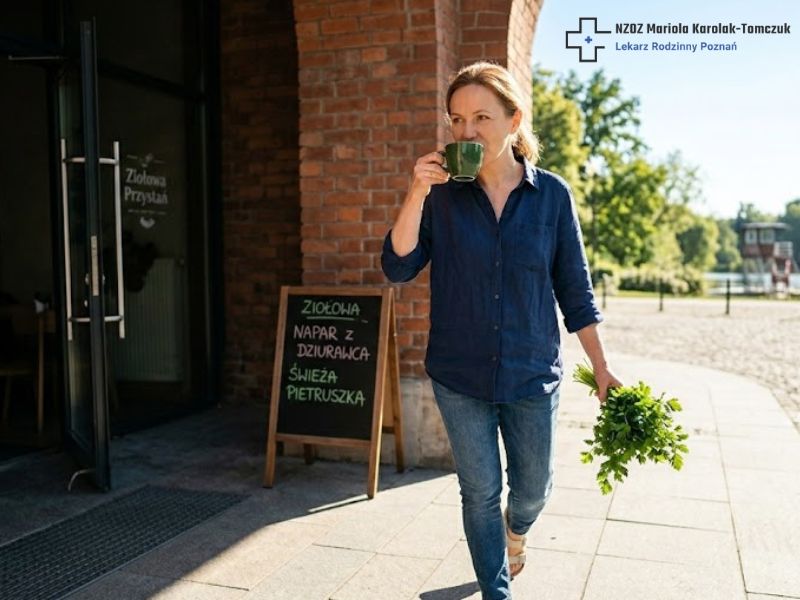
The May and summer sun encourages spending time outdoors. Many of us reach for natural herbal infusions as part of taking care of our health, and focus on fresh vegetables in our diet. However, few people know that the combination of certain plants with UV rays can result in painful blisters, discoloration, and even serious skin burns.
This phenomenon is called photosensitization. As your family doctor's team, we explain which plants carry this risk, why they don't affect everyone the same way, and what to watch out for in the kitchen and... in the cosmetic bag.
Main Photosensitizing Herbs: What to Watch Out For?
Many herbs that we use daily for medicinal or soothing purposes contain chemical compounds (e.g., furanocoumarins, hypericin) that drastically increase the skin's sensitivity to sunlight. The most important ones include:
- St. John's Wort (Hypericum perforatum): This is the absolute leader of the list. The hypericin it contains causes strong toxic reactions when exposed to the sun. Importantly, this applies to infusions (teas) as well as tablets or drops.
- Calendula (Marigold): Very popular for soothing inflammation, however, drunk regularly on sunny days, it can cause photoallergy.
- Common Chamomile: Although associated with gentleness, it can react with the sun in people with predispositions.
- Angelica and Lovage: Often found in strengthening or digestive blends.
Not Just Herbs: Photosensitizing Vegetables in Your Kitchen
For many patients, this is the biggest surprise. Phototoxic compounds (mainly psoralens) are also found in commonly eaten vegetables from the Apiaceae family.
- Celery (especially root celery): Celery juice or eating it in large quantities before going to the beach poses a high risk of burns.
- Parsley (root and leaves): Contains strong furanocoumarins. Picking and chopping fresh parsley in the sun is particularly dangerous (contact of juice with skin plus UV rays).
- Parsnip and Carrots: Similar mechanism of action, although the risk in carrots is slightly lower.
- Citrus Fruits: Lime, lemon, bergamot. Cases of so-called "margarita dermatitis" are famous among people who squeezed citrus into drinks on the beach and then exposed unwashed hands to the sun.
Hidden Danger: Cosmetics and Creams
We do not only ingest photosensitizing substances with food. We very often apply them directly to the skin in the form of natural cosmetics.
Watch the ingredients! Regenerating creams with calendula, ointments with St. John's Wort, and natural essential oils (especially citrus: bergamot, lemon, grapefruit) added to lotions or perfumes, when used during the day, can leave permanent, difficult-to-remove brown spots (discoloration) on the skin or cause acute inflammation.
Why Does It Affect Some but Not Others?
You might know someone who drinks St. John's Wort, eats celery, lies in the sun, and nothing happens to them. Why don't photosensitizing plants affect everyone the same way? This results from several factors:
- Individual Biochemistry and Metabolism: Everyone digests and absorbs plant compounds differently. In some, the level of a phototoxic substance in the blood and skin quickly reaches a high concentration, while in others, it is instantly neutralized by the liver.
- Skin Phototype: People with fair complexions (phototypes I and II), red or blonde hair, are genetically much more susceptible to any damage caused by UV, including that intensified by plants.
- Quantity and Form: One cup of weak St. John's Wort tea once every few days might not cause symptoms, but regular drinking of a strong infusion or taking concentrated alcohol extracts (drops) will almost certainly end in a skin reaction.
- Condition of the Epidermal Barrier: Dry, irritated, or damaged skin more easily allows photosensitizing substances from cosmetics to penetrate.
Contraindications and Safety Rules: When Can You Go Out in the Sun?
If you are undergoing treatment with photosensitizing herbs (e.g., St. John's Wort for mood improvement or digestion), an absolute contraindication is exposure to the sun and tanning beds.
- Safe Time Interval: After finishing intensive treatment with St. John's Wort or other strong phototoxic herbs, these substances may remain in the body for some time. It is usually safe to go out in strong sun (or start sunbathing) about 1 to 2 weeks after stopping the herb.
- Daily Protection: If you must take these substances, it is your duty to use creams with a high filter (SPF 50+), wear sun-protective clothing (long sleeves, a hat), and avoid leaving the house during peak radiation hours (11:00 AM - 3:00 PM).
Quick FAQ - Most Important Questions and Answers
1. What does a photosensitizing burn look like?
It may resemble a severe sunburn (intense erythema, burning), but often itchy bumps, hives, and in severe cases - blisters filled with serous fluid (similar to scalds from boiling water) appear. Patchy, dark skin discolorations are also characteristic.
2. Do mint and lemon balm also sensitize to the sun?
No, popular peppermint and lemon balm do not show photosensitizing properties. You can safely drink them in the form of iced teas on hot days.
3. Does cooking celery or parsley destroy photosensitizing compounds?
Thermal processing (boiling, baking) reduces the amount of furanocoumarins but does not eliminate them completely. Eating vegetable soup is safer than drinking fresh celery juice, but people with extreme hypersensitivity should still remain cautious.
Important information for readers:
The presented blog article is for educational and advisory purposes only. The information contained herein cannot replace a personal medical consultation, diagnosis, or treatment plan by a qualified physician. If you notice blisters, severe skin pain, fever, or other worrying symptoms after consuming plants, herbs, or using cosmetics followed by sun exposure, consult our family doctor immediately or report to the nearest medical assistance point.