
Risks to Respiratory and Cardiovascular Systems During Seasonal Infections
The fall-winter infection season is a period of significant strain on the respiratory and cardiovascular systems. In Poland, especially at the turn of November and December, there is an increase in influenza, RSV...
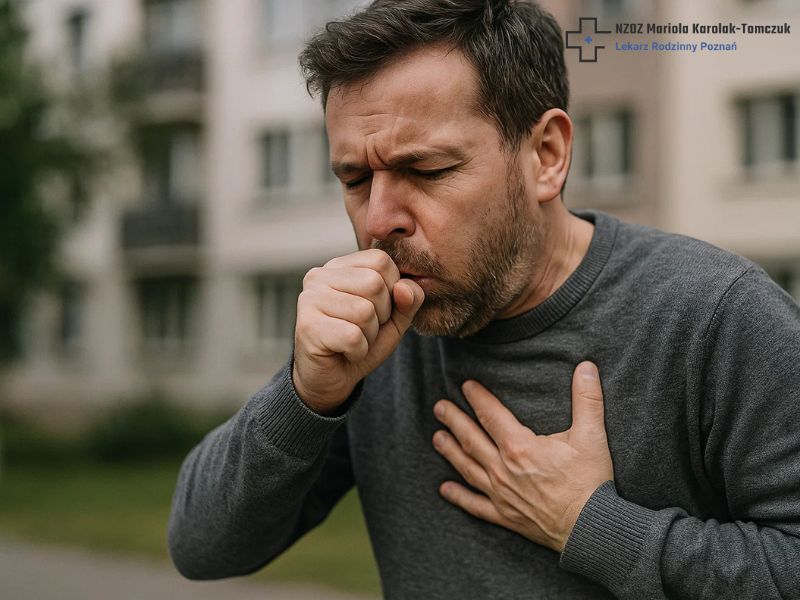
The fall-winter infection season is a period of significant strain on the respiratory and cardiovascular systems. In Poland, especially at the turn of November and December, there is an increase in cases of influenza, RSV, flu-like infections, and exacerbations of chronic diseases. In large cities such as Poznań, natural seasonality is compounded by environmental conditions typical of winter: smog, humidity, temperature fluctuations, and an increased number of interpersonal contacts. All of this increases the risk of complications, which can occur even in previously healthy individuals.
Why are seasonal infections dangerous for the respiratory system?
The respiratory system is the first to come into contact with viruses, which is why it is particularly strained during the winter period. Many infections that initially resemble a common cold can progress into more serious inflammatory conditions.
Most common problems resulting from seasonal infections:
- bronchitis - a frequent consequence of viral infections, especially in children and seniors,
- pneumonia - can be viral or bacterial; often develops after influenza,
- sinusitis - appears after prolonged runny nose and nasal congestion,
- asthma exacerbation - viruses are one of the most common factors triggering attacks,
- acute laryngitis or tracheitis - particularly affects children,
- chronic post-infectious cough - lasting up to several weeks.
During the winter season in Poznań, pediatricians and family doctors observe a significant increase in cases of lower respiratory tract infections, especially among the youngest patients.
The impact of infections on the cardiovascular system
Viral infections are not limited to the respiratory system. In some patients, they can also affect the heart and blood vessels - both directly and by exacerbating existing chronic diseases.
Most common threats:
- myocarditis - a complication following influenza or COVID-19; manifested by chest pain, weakness, and rhythm disturbances,
- pericarditis - pain radiating to the shoulder blades, worsening with breathing, feeling of shortness of breath,
- cardiac arrhythmias - may occur as a result of fever and dehydration,
- exacerbations of arterial hypertension - viruses and inflammation destabilize blood pressure,
- increased risk of stroke or heart attack - in people with cardiovascular diseases, inflammation can increase blood clotting.
In a large metropolis like Poznań, elderly and chronically ill people more often require medical check-ups during the winter season due to exacerbations of hypertension, heart failure, and rhythm disturbances.
How to recognize symptoms requiring urgent consultation?
Both respiratory and cardiovascular symptoms can develop gradually or appear suddenly. The most important warning signs include:
Respiratory symptoms:
- difficulty breathing,
- shortness of breath at rest,
- blueness of the lips or fingers,
- wheezing,
- high fever persisting for more than 3 days,
- chest pain when coughing or breathing,
- lack of improvement despite symptomatic treatment.
Cardiovascular symptoms:
- chest pain not related to coughing,
- heart palpitations,
- dizziness, fainting,
- sudden weakness,
- leg swelling or shortness of breath that worsens when lying down,
- feeling of a fast or irregular pulse.
The occurrence of such symptoms - regardless of age - is an indication for urgent contact with a primary care physician.
What increases the risk of complications in the winter season?
Many environmental factors typical of winter favor the development of respiratory and cardiovascular complications:
- winter smog - in Poznań during winter, there are periods of elevated PM2.5 and PM10 particulate levels, which irritate the respiratory tract and intensify symptoms,
- air movement and high humidity - favor viral replication,
- staying in enclosed spaces - higher viral transmission,
- vitamin D deficiency - lowers immunity,
- decrease in physical activity,
- overheating of rooms - dries out mucous membranes,
- holiday gatherings and travel - increase the risk of contact with sick people.
How to protect the respiratory and circulatory systems during the infection season?
Proper prevention reduces the risk of both infections and their complications.
Most important actions:
- frequent hand washing,
- avoiding close contact with sick people,
- regular ventilation of rooms,
- humidifying the air,
- using saline inhalations,
- ensuring proper hydration,
- a healthy diet rich in vegetables and products with vitamin C,
- in the case of chronically ill people - regular medication intake and monitoring of health parameters.
For patients with heart disease, monitoring blood pressure and observing the body's reaction to infection is also recommended.
When to contact a primary care physician?
Any worsening of breathing, chest pain, high fever, or lack of improvement despite home treatment requires consultation with a GP. Rapid diagnosis reduces the risk of serious complications, especially in the elderly, children, and patients with chronic diseases.
People who are not currently registered with any primary healthcare clinic can check the registration instructions via the link: rejestracja nowego pacjenta on the clinic's website.
If your health condition makes a personal visit difficult, it is possible to use remote consultations. Information can be found in the section porady telemedyczne Poznań.