
Epididymitis - Symptoms, Causes, and Comprehensive Treatment
Epididymitis is a serious urological condition that requires prompt diagnosis and treatment. In this article, we discuss in detail the symptoms, causes, and modern methods of therapy for this disease....
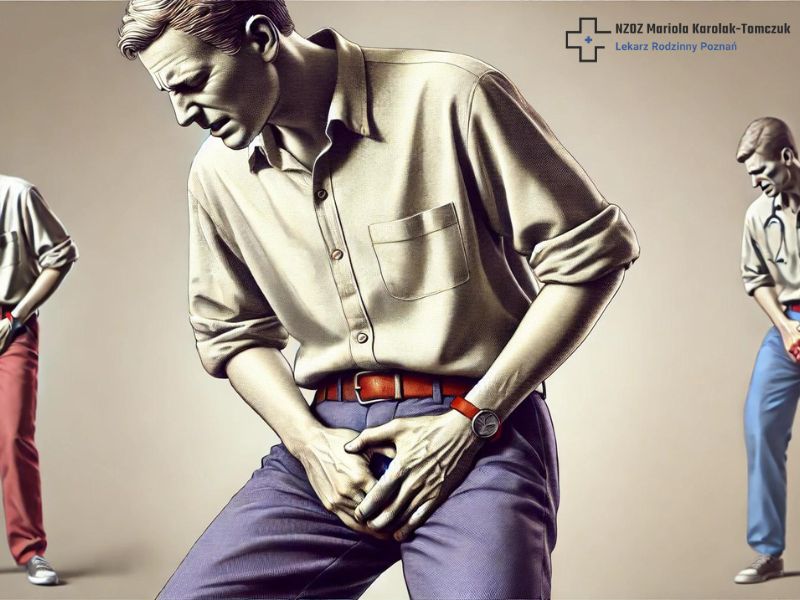
Epididymitis is a serious urological condition that requires prompt diagnosis and treatment. In this article, we discuss in detail the symptoms, causes, and modern methods of therapy for this disease.
Symptoms of Epididymitis
Epididymitis can manifest through a range of ailments that may develop gradually or appear suddenly. The most commonly reported symptoms include:
- Scrotal pain and swelling - one of the main symptoms, often located on one side. The pain may radiate to the groin area and lower abdomen.
- Fever and chills - the body's reaction to inflammation.
- Discomfort during urination - burning, frequent urges to urinate, or pain may occur.
- Pain during intercourse or ejaculation - resulting from exacerbated inflammation.
Causes of Epididymitis
Epididymitis is most commonly caused by:
- Bacterial infections - most often related to sexually transmitted bacteria such as Chlamydia trachomatis or Neisseria gonorrhoeae. In older men, it may be the result of a urinary tract infection, especially in those with prostate problems.
- Excessive sexual abstinence - the lack of regular ejaculation can lead to semen stasis, which increases the risk of infection and inflammation within the epididymis.
- Complications after urological procedures - such as bladder catheterization.
- Urine reflux - a situation where urine flows back from the urethra into the epididymis.
- Diabetes or other chronic diseases - such a problem can be a symptom of a coexisting underlying disease.
Diagnosis of Epididymitis
To confirm a diagnosis of epididymitis, a doctor usually performs:
- Physical examination - assessment of tenderness and swelling of the scrotum.
- Laboratory tests - urinalysis, urine culture, and sometimes a urethral swab if sexually transmitted infections are suspected.
- Scrotal ultrasound (USG moszny) - especially in cases where the diagnosis is not clear or there is suspicion of other causes of pain, such as testicular torsion.
Comprehensive Treatment of Epididymitis
Treatment for epididymitis must be tailored to the cause of the disease, and its goal is to alleviate symptoms and eliminate the infection.
- Antibiotic therapy: In the case of bacterial infections, especially those caused by sexually transmitted bacteria, the most commonly used medication is Biseptol. It is a potent antibiotic that requires a prescription and should be taken according to clinical guidelines. The effectiveness of the therapy depends on completing the full course, even if symptoms subside earlier.
- Painkillers and anti-inflammatory drugs: To relieve pain and reduce inflammation, it is recommended to use Diclac in the form of suppositories. This form is particularly beneficial as it bypasses the digestive system, reducing the risk of stomach irritation.
- Protective medications (Probiotics): Antibiotics, while effective in fighting infection, can affect the body's natural bacterial flora. Therefore, it is worth simultaneously taking protective medications that safeguard against the negative side effects of antibiotic therapy, such as diarrhea or fungal infections.
- Diosmin: The prophylactic use of diosmin can support microcirculation, reducing swelling and accelerating the regeneration of inflamed tissues. This is particularly important in cases of recurrent epididymitis or chronic inflammation.
- Rest and avoidance of physical activity: An important element of treatment is rest, which allows the body to regenerate. It is recommended to avoid physical exertion, heavy lifting, and prolonged standing, which can worsen symptoms.
Prevention of Epididymitis
Preventing this disease involves reducing the risk of infection and regular health monitoring:
- Use of condoms: Protection during sexual contact significantly reduces the risk of sexually transmitted infections.
- Regular urological examinations: Especially important in men over 40 years of age and in people with a history of urinary tract infections.
- Prompt treatment of infections: Early intervention in the case of a urinary tract infection can prevent bacteria from spreading to the epididymis.
Testicular Pain - Which Doctor Should You See?
If you experience testicular pain, it should not be ignored. In the first instance, you should visit a primary care physician, who will assess the situation and potentially refer you to a specialist - a urologist. A urologist is a doctor specializing in conditions of the genitourinary system who can perform more detailed tests and provide a final diagnosis.
What Can Epididymitis Be Confused With?
Epididymitis can be confused with several other conditions that also cause scrotal pain and swelling. The most common conditions mistaken for epididymitis include:
- Testicular torsion - sudden twisting of the testicle around its own axis, which cuts off the blood supply and requires immediate surgical intervention.
- Inguinal hernia - occurs when part of the intestine pushes through weakened abdominal muscles into the inguinal canal, which can cause pain similar to that of epididymitis.
- Testicular tumors - although less common, tumors in the testicles can manifest as pain and swelling.
An accurate diagnosis is crucial; therefore, in case of any doubts, you should consult a doctor.
Epididymitis - Prompt Contact with a Doctor is Essential
Epididymitis is a condition that requires fast and comprehensive treatment to avoid serious complications. Proper diagnostics and the use of appropriate medications, such as Biseptol, Diclac, and diosmin, can bring quick relief and improve the patient's quality of life. Remember that men's health involves not only the absence of disease but also regular health checks and prevention. If you notice any disturbing symptoms, do not delay - contact our office to obtain professional help and support in treatment.