
COVID-19 Variants - Why Does the Coronavirus Mutate?
Lately, there has been a lot of talk about new coronavirus variants. The virus's goal is to spread as quickly as possible from one organism to another. It is not interested in quickly...
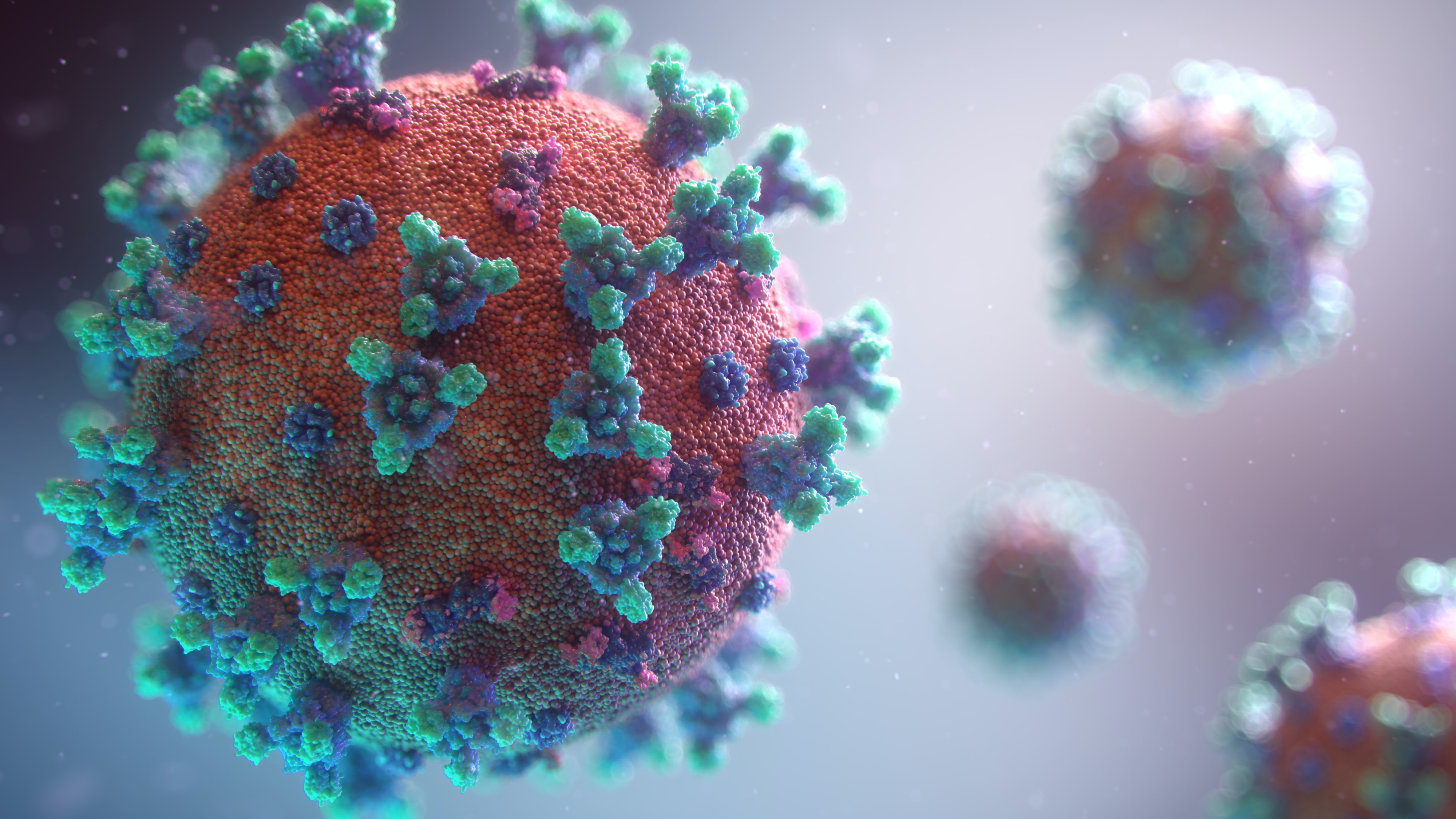
Lately, there has been a lot of talk about new coronavirus variants. The goal of the virus is to spread from one organism to another as quickly as possible. It is not interested in killing the host quickly; rather, it seeks to exploit their resources to produce as many viruses as possible. The coronavirus mutates in order to become more contagious, not more lethal. Sars-cov-2 is an RNA virus that mutates rapidly and is one of the largest RNA viruses. This creates more opportunities for its mutation potential to increase. The coronavirus mutates to survive. Even vaccines are unable to completely eradicate it, as it must be treated like a living organism striving for survival. The vaccines created so far were developed for the mutations of the virus from Wuhan. However, they cannot completely eliminate the virus because further mutations have already emerged against which the vaccine is less effective. Even vaccinated individuals can be carriers of the virus. Their COVID symptoms are mild enough that they may not even be aware of it. Furthermore, the percentage of vaccinated people is still too low to speak of herd immunity.
What are the symptoms of the new Omicron variant?
Currently, Omicron has become the most common variant. It was first discovered in South Africa and is a cause for concern for many people worldwide. We know that infections have been detected not only in Africa but also in Europe. Experts report that symptoms of Omicron COVID infection were mild, and no severe cases were recorded. Nevertheless, many people wonder how dangerous the Omicron variant is. The symptoms demonstrated so far differ from previously known strains because those infected did not lose their sense of smell or taste. There were also no difficulties in breathing, which was one of the most common coronavirus symptoms in previous cases. The most common symptoms occurring in patients with the Omicron variant include:
- elevated body temperature (often slightly above normal)
- sore throat
- muscle pain
- general weakness
These are the most typical symptoms of a common cold, which makes them easy to underestimate. This can lead to a significantly higher number of infections, as those who are sick may not isolate and could spread the virus further.
How quickly do symptoms appear after an Omicron variant mutation?
Many people still worry about new coronavirus variants. One of the latest is the Omicron coronavirus variant. The World Health Organization states that “there is currently no information suggesting that symptoms associated with Omicron differ from those typical of other variants.” Among the Omicron symptoms detected in patients sufferring from Omicron are: severe fatigue, a slight headache, a scratchy throat, and a slightly elevated body temperature. On a positive note, in cases of Omicron variant infection, patients did not exhibit symptoms characteristic of previous variants, such as the bothersome loss of smell and taste. Such symptoms were most common in those infected with the Delta variant.
Regarding Omicron symptoms, they are much milder, and patients do not experience the illness as severely as was the case with previous variants. Often, patients infected with the Omicron variant do not require hospitalization; self-isolation at home is sufficient. Another positive piece of information is that Omicron was detected very quickly, and the monitoring system is working very efficiently. The current availability of vaccines also significantly helps in acquiring so-called herd immunity.
What are the symptoms of the new Mu variant?
Every new piece of information about coronavirus variants causes a lot of emotion. In August of this year, the WHO (World Health Organization) announced another variant - B.1.621. This new variant was named Mu. Its first cases were discovered in Ecuador and Colombia. The mutation of this variant may be resistant to vaccinations prepared for the original Wuhan variant. Mu may cause increased transmissibility, meaning it spreads more easily between organisms. It has not yet been thoroughly classified, as the WHO is still monitoring its development. According to information provided by the Minister of Health in September 2021, four cases of infection with this coronavirus variant were recorded. Currently, no specific symptoms caused by the Mu variant have been noted. It has also not been determined whether the Mu variant is characterized by higher contagiousness. It is still being monitored by the World Health Organization because too few cases have been recorded.
New Coronavirus Variant - IHU
Following recent reports of the discovery of the Omicron variant, which is spreading very rapidly worldwide, scientists have discovered another coronavirus variant, IHU. This variant was studied at a clinic in France. It is not yet known whether the latest IHU coronavirus variant is more dangerous than the others, as research is still ongoing.
The new IHU coronavirus variant was discovered at the IHU Mediterranee clinic in Marseille, which is why it was given that name. Research on the virus is being led by the renowned virologist Prof. Didier Raoult. It was detected in subjects from the town of Forcalquier, located 100 kilometers north of Marseille. Scientists have not yet provided any detailed information regarding the threat posed by IHU variant infection. There is also a lack of information on which groups of people might be most at risk. The new COVID-19 variant has also not been classified into any specific category. Despite the lack of detailed data, it is worth focusing on health protection and taking care of your safety during daily activities.
If you have questions related to feeling unwell or suspect that you or your loved ones have COVID-19, contact: